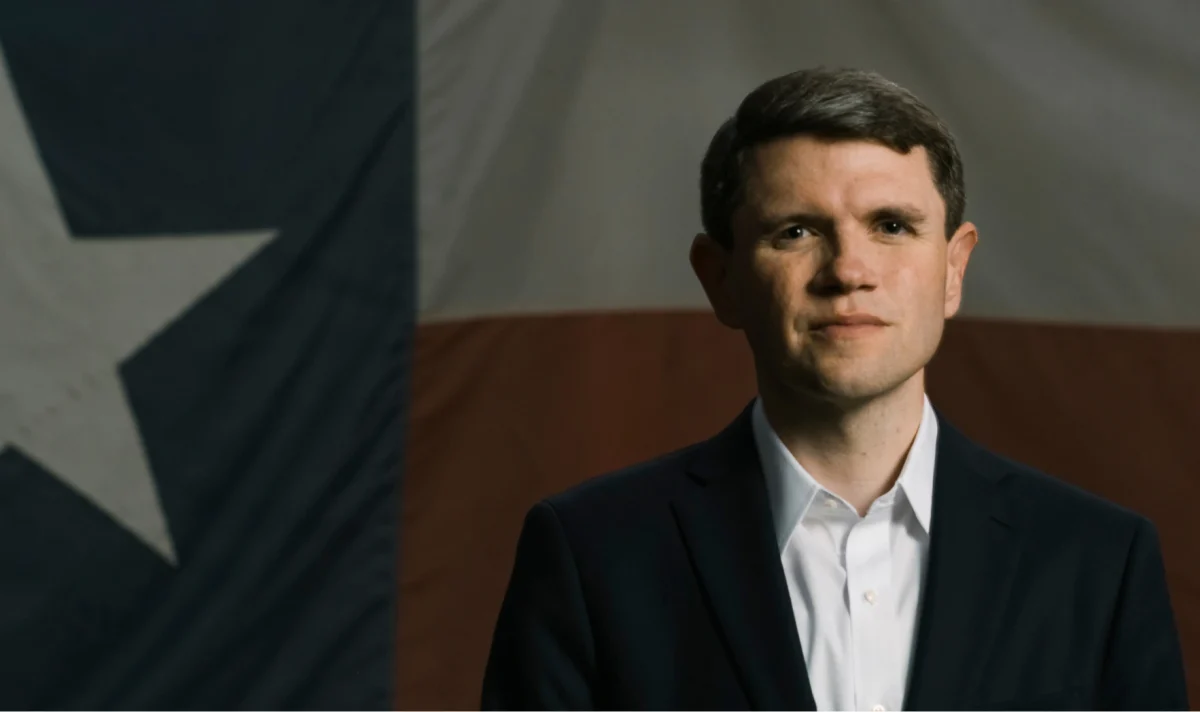
Ever since President Trump’s decisive victory in the 2024 presidential election, the Democratic party has been split over its future political strategy. They are stuck between a rock and a hard place: electing party-line Democrats that will probably lose, or electing more moderate Democrats that are only less likely to lose. In the recent Texas primary election for the Senate, the so-called moderate Democrat James Talarico won by appealing to voters with his faith-based speeches and criticism of modern political parties. The other Democratic candidate, Jasmine Crockett, was seen as the fiercer of the two because of her frequent taunting of Republicans and openly anti-Trump campaigning. At first glance, Talarico’s win over Crockett appears to confirm the trend of moderates beating progressives in Democratic primaries; many Americans credit Talarico’s ostensible centrism for his victory over Crockett. However, Talarico is far from a centrist, and actually leans further to the left than Crockett and most US Democrats.
Talarico was able to reach a wide range of voters through his empowering economic message. He made it clear that he wanted to unite working Texans against billionaires, who he described in a tweet as “the only minority destroying America.” In the same tweet, he stated that “we are focused on the wrong 1% … it’s not left vs. right, it’s top vs. bottom.”
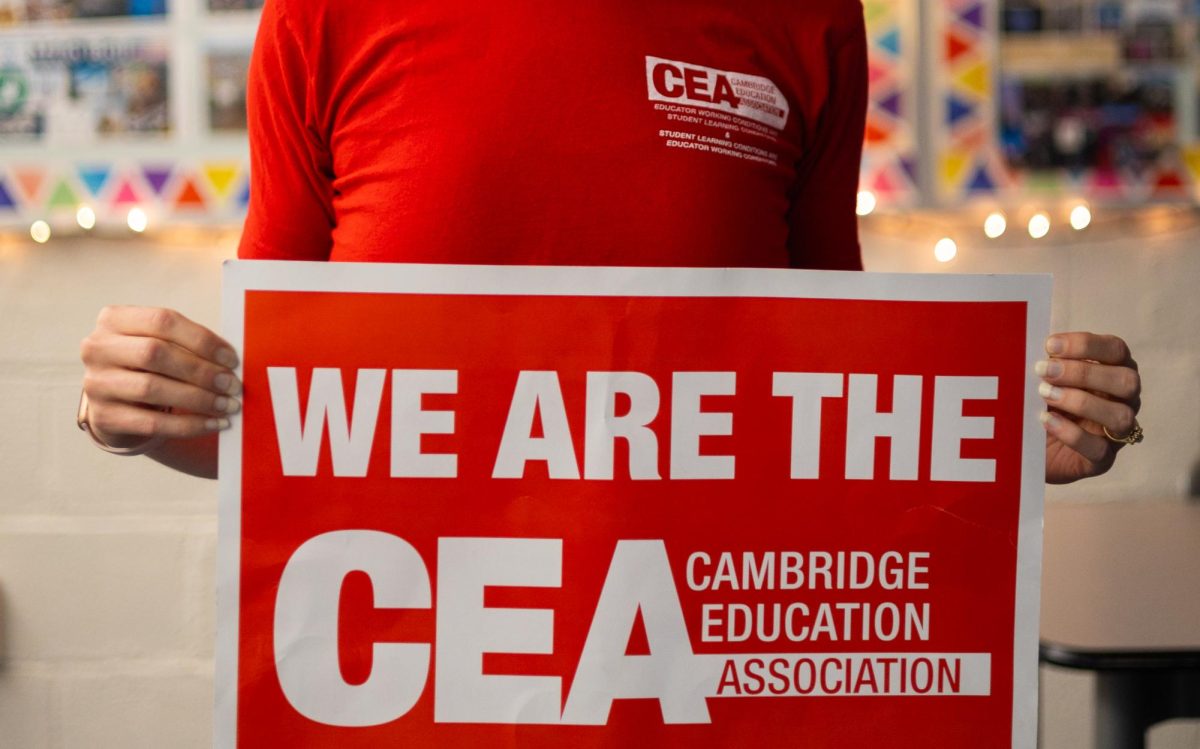
When asked if he felt inspired by Talarico’s unifying message against the ultra-wealthy, 9th grade history teacher and Cambridge Education Association (CEA) union leader Mr. Nicholas Watter responded, “so many teachers here don’t live in Cambridge because they can’t afford it. Democrats, even in Texas, are realizing that the affordability message applies to everyone, which as a Union Leader [sic] I think is a good thing.”
Talarico’s outspoken stance against Israel’s actions in Gaza separates him further from the majority of American politicians, pushing him further left. And, unlike Crockett and hundreds of other politicians, he refuses to accept money from the American Israel Public Affairs Committee (AIPAC) in exchange for voiced support. His foreign policy emphasizes taking the most moral route when navigating global affairs.
Talarico is especially unique among left-leaning progressives because of his “what would Jesus do” attitude; but rather than making him a more moderate Democrat, in many ways, this attitude contributes to his progressive position. Christianity has typically been a tool of the right wing, and many conservative politicians tie the importance of nuclear families and “Christian values” into their campaigns. Talarico, on the other hand, dives into the substance of Christian values, and uses his interpretations of Jesus’ teachings to guide his social and economic stances.
CRLS history teacher Mr. Zachary Montgomery told the RF, “at first I thought I would feel put off by Talarico’s use of Christianity, but I ended up being drawn to his way of sharing more left-leaning ideas in a logical, nonthreatening, and palatable way.”
For Christians and non-Christians alike, Talarico putting love and morality front and foremost in his campaign is a breath of fresh air. As a result, even an unapologetic progressive may stand a chance in Texas’s general election.
This article also appears in our March 2026 print edition.