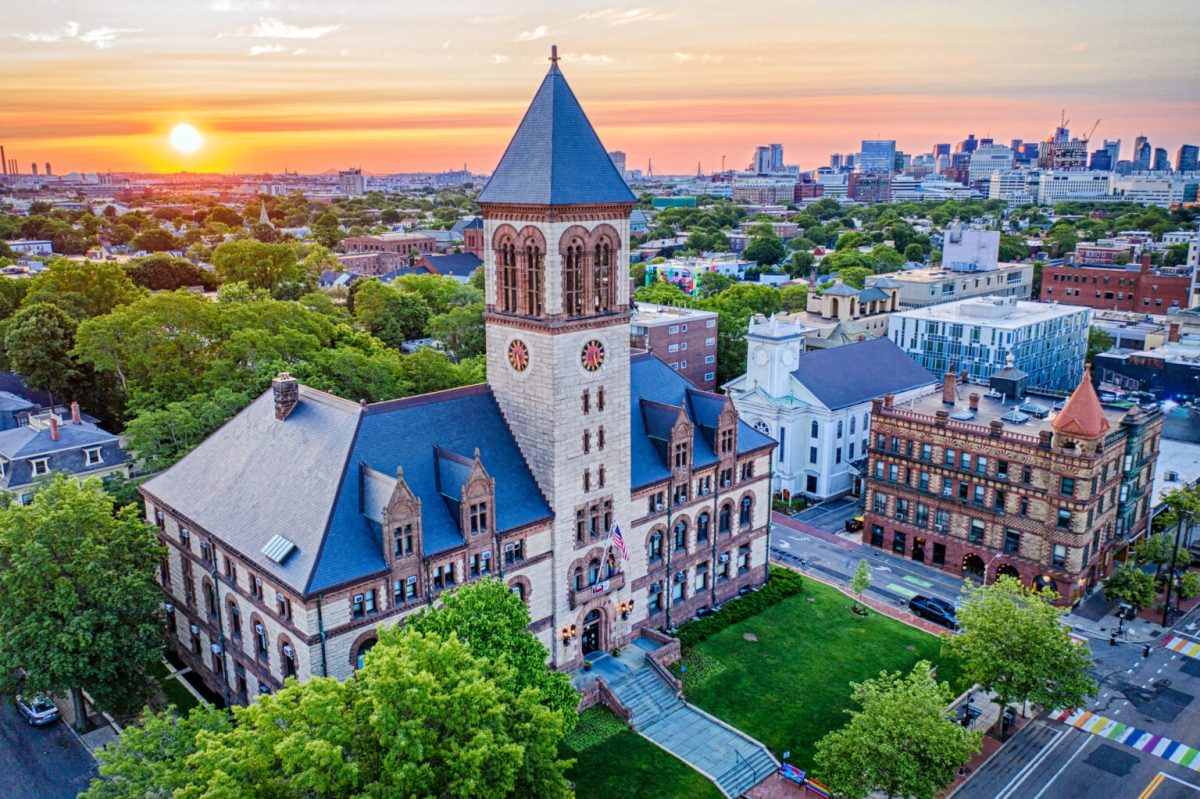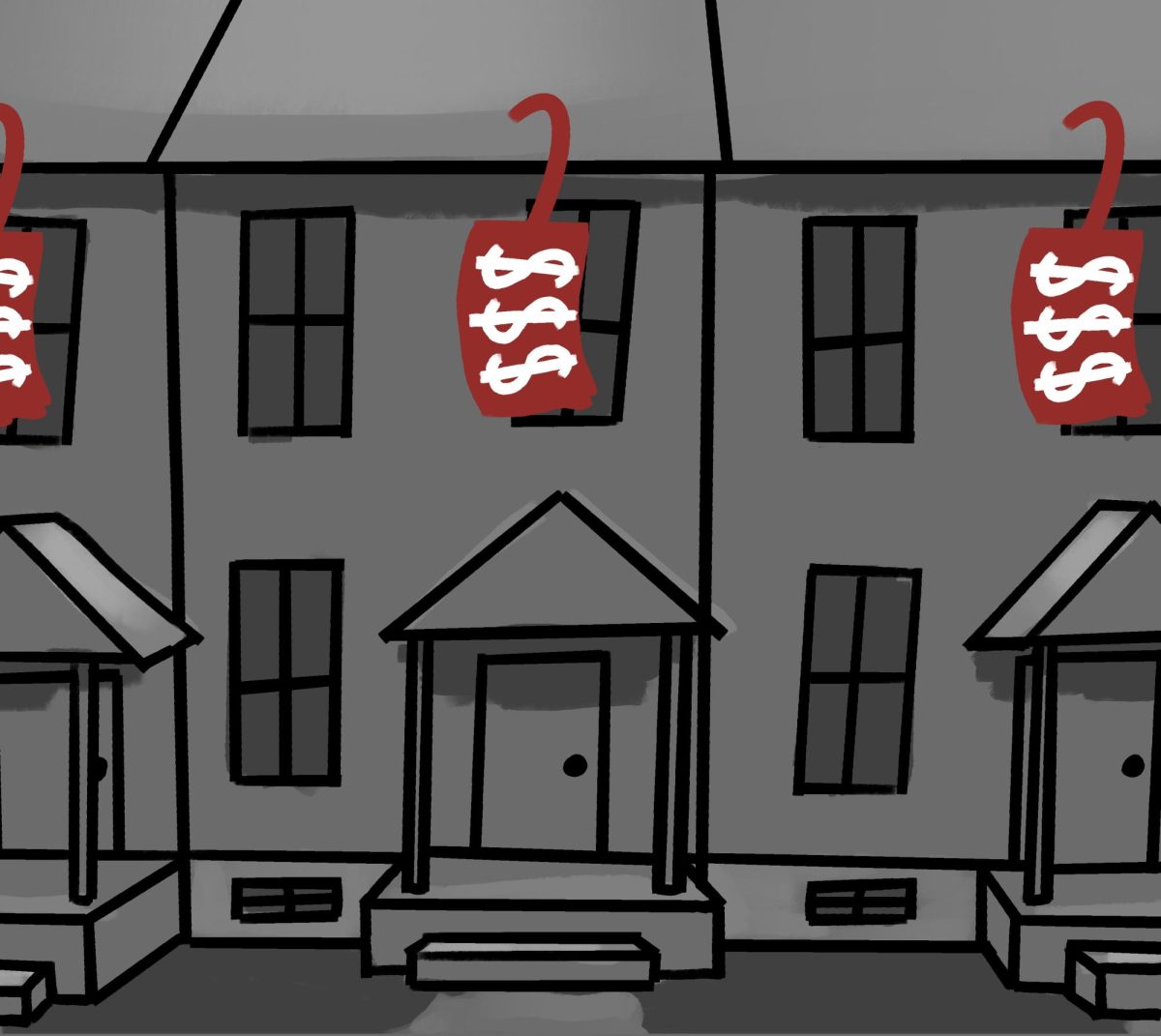
In February, the Cambridge City Council passed two petitions which look to reshape the nature of zoning citywide. Critics claim that these petitions will wreak havoc on life as we know it in Cambridge, causing teardowns and destroying neighbourhoods. Almost all of the criticism and controversy surrounding these petitions is fueled by misunderstanding or fearmongering in opposition to meaningful reform.
For decades, Cambridge used what was known as exclusionary zoning. Under this style of regulation, the construction of multifamily housing was prohibited in over a third of the city. Limits on height, floor area ratio, and unit size all contributed to the unfeasibility of any density-oriented design across large swathes of one of America’s most densely populated cities.
The petitions in question make one simple, yet revolutionary change: it is now permissible to construct multifamily housing anywhere in Cambridge, up to four stories “by right” (without an application for special permits) or six stories if the developer agrees to subsidize 20% of units for the purpose of affordable housing.
I can certainly admit that there are issues with this plan, but none of them justify the opposition that these petitions have received. Critics pose questions about solar panels, parking, and public transportation, and even lobby the idea that this will lead to less affordability as a whole, rendering the petitions ineffective.
Per the CDD, around 70% of Cambridge residents live in buildings with four or more units. Multifamily development is not a new thing in Cambridge. The idea that certain areas should only be accessible to those who have the means to purchase large single family homes goes against everything Cantabridgians claim to stand for. While many opponents of these petitions will claim they are in favor of affordable housing and multifamily development, their pushback represents a lack of willingness to accept change within their neighborhoods.
Under Cambridge’s current inclusionary policy, any time multifamily construction exceeds 10 units, or 10,000 square feet of floor area, 20% of the units must be subsidized in perpetuity by the developer. That means the total construction cost of a 10 unit building is around $2,400,000. A hypothetical owner of this property would be netting around $28,000 a month, and break even in around seven years time.
This number sounds promising, but only around 1100 inclusionary units have been constructed as a result of this program. What might be the cause of this shortage? With small lot sizes, large setbacks and height restrictions, and huge swathes of the city restricting multifamily development entirely, there was simply no way for developers to meet the inclusionary requirement threshold. While the new petitions are not a perfect solution, developers have to profit in some capacity; these reforms will encourage developers to construct housing that meets the city’s socioeconomic needs, while maintaining a profitable business model.
Some argue that the differing visual aesthetics and constituent needs of Cambridge make it so that uniform zoning would ruin their “Neighborhood Character.” Having grown up around Cambridge, I can agree that the sprawling lawns of Brattle St and the quaint corners of Cambridgeport are quite beautiful. These reforms will certainly change the look of Cambridge. But ask yourself, is the spirit of Cambridge found in brick sidewalks and sprawling backyards, or in its legacy as a place for any and everybody to coexist? And moreso, Cambridge looks different to each resident. Some have solar panels and backyards, while others live in towering apartments. Put simply, to reduce the “character” of Cambridge to a visual aesthetic enjoyed only by some is dismissive of the rest of Cambridge as a whole. Should those who live in multifamily or affordable developments not have their needs considered when shaping housing policy?
To preserve what makes Cambridge unique, we need to promote the construction of multifamily housing. This starts with allowing it citywide. And, those who campaign against multifamily housing must stop hiding behind the guise of vested interests in the efficacy of Cambridge’s housing policy.
This article also appears in our December 2025 print edition.