The death of conservative commentator Charlie Kirk has pushed political tensions in an already divided United States closer to the edge with how the media, politicians, and society responded to this tragedy. As the founder of Turning Point USA, a conservative non-profit that focuses on youth political activism, Kirk was known for challenging liberal orthodoxy during controversial, heated debates on college campuses. However, few expected that such denigration of his legacy would follow his assassination. Charlie Kirk has been silenced, and the Left’s response exposed their hypocrisy clearer than his words ever could, revealing a side that preaches tolerance yet practices selective outrage.
In interviews and on social media, left-wing politicians and Liberals around the country danced a convincing bout of sympathy. Their impatience to smear his legacy was revealed only the day after, brutally vilifying Kirk even as many around the nation still mourned. In the immediate aftermath, major news publication ABC framed the shooting in an extreme scope, suggesting that this attack may not have happened if Charlie Kirk’s controversial appearance hadn’t been “allowed” on college campuses. Such language and rhetoric tiptoes dangerously close to justification of his death. The implication that silencing certain voices might prevent violence undermines not only the tragedy of the shooting but also the principle of free speech which Kirk fought so hard to defend.
Instead of focusing on justice for Kirk or investigating the motives behind the attack, the unfolding media circus turned to the bullet markings found by investigators with inscriptions such as: “Hey fascist! Catch!,” “Oh Bella Ciao, Bella Ciao, Bella Ciao Ciao Ciao” (a reference to the Italian anti-fascist rallying cry), and “If you read this, you are gay LMAO.”
The Wall Street Journal vaguely acknowledged the bullet markings as expressions of “transgender and anti-fascist” ideology, giving little effort to seriously explore the potential left-wing extremist motivations. This stands in stark contrast to the scrutiny applied when political violence is associated with right-leaning perpetrators. For example, in the 2019 Christchurch mosque attack, the perpetrator’s weapons contained anti-Muslim slogans, details which the media widely reported and analyzed to an extreme extent.
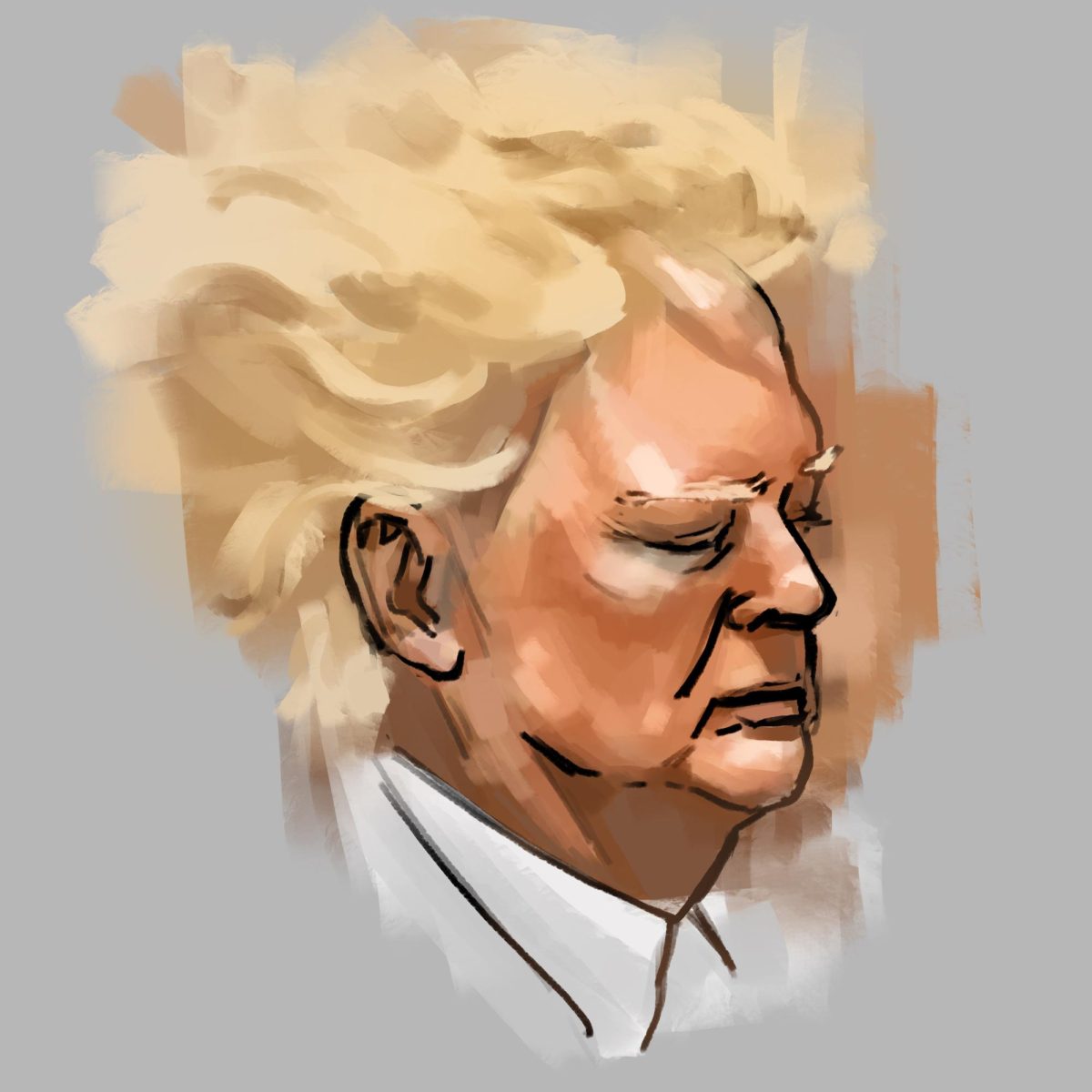
In contrast, Antifa—a radical left-wing group which has been linked to violent political clashes in recent years, such as the Berkeley protests in 2017 and the murder of conservative Aaron ‘Jay’ Danielson in 2020—remains largely untouched by mainstream media criticism. The same outlets that casually allow the comparison of Donald Trump to Adolf Hitler appear unwilling to interrogate the extremism brewing within their own backyard.
Charlie Kirk was no stranger to outrage. He knew how to inspire debate, encouraging many uncomfortable yet necessary conversations. Love him or loathe him, he stood for free speech and civil discourse, a rare find in this day and age. The media’s selective agenda reveals a double standard willing to reinforce polarized narratives rather than the unbiased pursuit of truth.